Personal jewellery should feel considered from every angle, not merely impressive in a photograph. A strong visual idea is most persuasive when comfort and longevity have shaped it too. At its best, the design offers a bright, contemporary precious-metal finish with a lighter feel than platinum. That clear purpose offers more than a passing trend: it creates an aesthetic that can be adapted to personal taste without losing its essential character. The intended impression is deliberate, with a result that remains dependable.
A relevant selection is Lily Arkwright white gold engagement rings. Looking across complete designs makes it easier to judge scale, side profile and the relationship between the principal feature and the surrounding metalwork. It also places carat weight, dimensions and decorative detail in the context of a finished piece rather than a specification list.
What the Metal Brings to the Design
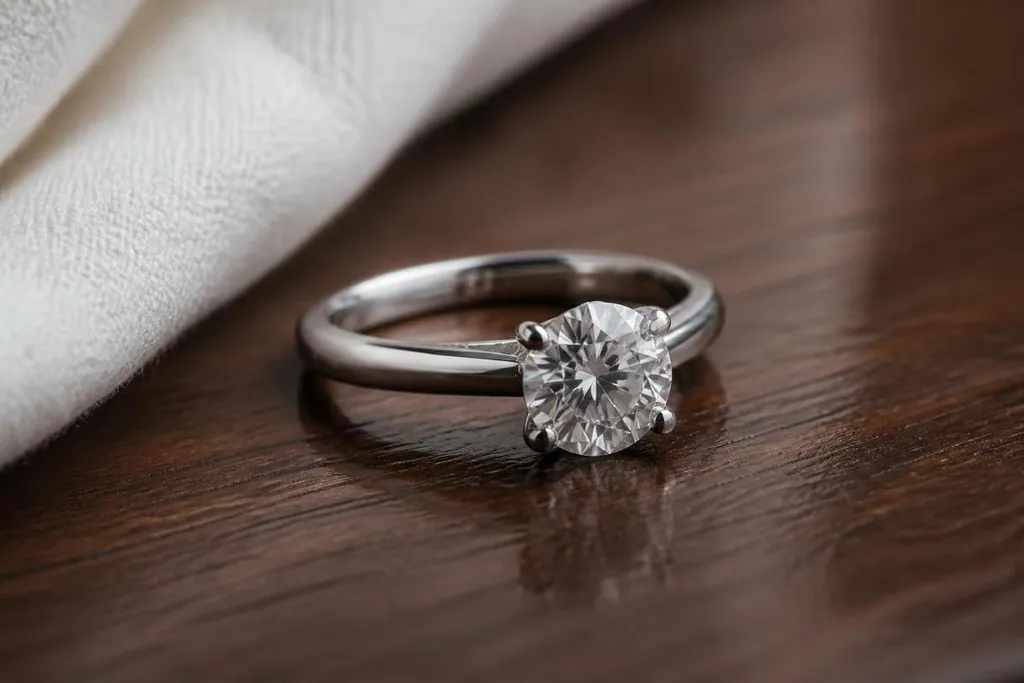
Seen from above, the first impression comes from proportion. Its neutral colour supports diamonds and cool-toned gemstones without competing with their brightness or colour. Band width, accent placement and visible metal then decide whether that character feels subtle or pronounced. That discipline keeps the composition deliberate rather than overstated, while supporting a piece that remains dependable.
The less obvious view is equally revealing. Gallery height, shoulder transition and the amount of visible metal decide whether the ring appears light, architectural or richly detailed from the side. A polished design carries the same logic through every angle, so the profile feels connected to the first impression rather than treated as an afterthought. From every angle, the workmanship should look deliberate and feel dependable.
Balancing Colour, Proportion, and Setting
The most useful question is not simply which option is more impressive, but which one resolves the design more convincingly. Ask how the surface finish is maintained over time, because the bright white appearance may be refreshed as the ring accumulates wear. Personal preference remains essential, yet it benefits from careful visual evidence. Such comparison encourages a deliberate decision with a dependable basis.
Construction then turns preference into a wearable object. Clean claws, narrow shoulders and pavé details all benefit from the metal's crisp, discreet appearance. Fine finishing matters at contact points, edges and transitions, where a small imbalance can affect both appearance and comfort. The finished construction should appear deliberate and prove dependable.
Comfort, Care, and Everyday Wear
Comfort is personal, but it can be assessed thoughtfully. Setting height, exposed edges and the way the band meets neighbouring fingers all influence whether the ring feels natural during ordinary movement. For regular wear, remove the ring during heavy manual work, store it separately and arrange professional checks if a claw catches or the setting begins to feel different. Those habits help a deliberate piece remain dependable.
A piece rarely exists in isolation. Trying the design beside a wedding band is worthwhile even before the band is chosen, as gallery shape and setting height influence how naturally another ring will sit. Metal colour, scale and surface finish provide useful connections without requiring every item to match exactly. The wider collection can then feel deliberate, while this piece remains dependable.
Final Thought
This approach shows how fine jewellery can be both expressive and disciplined. The most refined choice accounts for setting quality, comfort, maintenance and personal style as carefully as it considers the visible feature. When those elements agree, the result feels neither generic nor dependent on trend - simply a well-made piece with a reason to be treasured. Patient comparison is part of choosing well, not a delay. A short pause now can prevent a visually impressive but unsuitable choice. That is the difference between a merely attractive option and one that feels both deliberate and dependable.